Recommendations that do not land
Consultants and specialists may have strong analyses but struggle to present the message, evidence, and implications convincingly to clients or leadership.
ECH helps businesses, consultancies, and institutions turn professional knowledge into persuasive presentations, clearer decisions, effective collaboration, and stronger workplace communication.
The most valuable coaching begins with a concrete performance challenge—not a generic list of workshops.
Consultants and specialists may have strong analyses but struggle to present the message, evidence, and implications convincingly to clients or leadership.
Managers need to facilitate discussion, handle questions, communicate expectations, and secure alignment across teams.
Employees can produce text and analysis faster with AI, but still need to check evidence, identify errors, evaluate alternatives, and defend recommendations.
Each engagement is tailored to roles, real workplace tasks, and the competencies the organization wants to develop.
For leaders, consultants, and client-facing teams who need to communicate complex ideas with clarity and authority.
For managers and learning teams strengthening facilitation, collaboration, and internal development.
For professionals adopting digital tools while retaining responsibility for quality, evidence, and decisions.
Select a focused coaching area or combine complementary capabilities into a program tailored to your teams, roles, and business objectives. Each area connects practical learning with the work your people actually do.
Presentations, public speaking, audience engagement, and professional communication—strengthening fluency, clarity, structured delivery, confidence, and effectiveness.
At work: Client pitches, executive briefings, proposals, and high-stakes presentations.
Structure, coherence, style, citation practices, and scholarly and professional writing conventions—strengthening organization, clarity, precision, and written communication.
At work: Reports, business correspondence, policy documents, and research-based deliverables.
Problem framing, argument development, literature integration, research organization, and ethical practice—strengthening analytical rigor, critical thinking, evidence-based reasoning, and methodological consistency.
At work: Evidence-based recommendations, research briefs, and decision support.
Learning design, curriculum planning, measurable outcomes, participant engagement, and AI-informed instructional design—strengthening coherence, alignment, learner-centered progression, instructional clarity, transferable skills, and independent judgment.
At work: Internal academies, onboarding, train-the-trainer initiatives, and client workshops.
Leadership, facilitation, group dynamics, structured participation, and stakeholder engagement—strengthening communication, collaboration, inclusivity, team effectiveness, and organizational impact.
At work: Cross-functional meetings, stakeholder sessions, and team leadership.
Digital tool integration, responsible AI use, instructional and workplace innovation, human–AI collaboration, and AI-enhanced productivity practices—strengthening technological fluency, ethical implementation, adaptability, and strategic performance.
At work: AI-assisted workflows, output verification, and accountable decision-making.
Tell us what your teams need to accomplish. ECH can help identify priorities and propose a suitable individual, small-group, or institutional coaching format.
Examples of how the solutions can be applied; ECH will define the scope with each organization.
Present client recommendations, structure persuasive proposals, explain evidence, and facilitate workshops.
Improve executive presentations, stakeholder correspondence, team meetings, and analytical communication.
Translate technical or specialized information into clear, audience-appropriate communication.
Develop leadership communication, training capacity, professional writing, and cross-functional collaboration.
We begin by discussing the business context and priority competencies, then agree on a suitable format: individual coaching (1–2 participants), small-group coaching (3–5), or group coaching (6+). Sessions can use workplace presentations, documents, scenarios, and feedback to connect learning with actual responsibilities.
Identify roles, needs, and the performance challenge.
Agree on outcomes, activities, format, and delivery.
Practice, receive feedback, and evaluate progress against agreed goals.
Whether you lead a consultancy, corporate team, or institution, share your priorities and request a tailored coaching proposal.
 Samar Bou Jaoude, DDS, MSc, PhD
One thing I will now pay more attention to when teaching in English is pronunciation.Samar Bou Jaoude, DDS, MSc, PhD · Associate Professor, Department of Oral Medicine and Radiology, Faculty of Dental Medicine, Saint Joseph University of Beirut
The ECH English course was very interesting and engaging, and the instructor was exceptional. She knew how to keep us motivated and involved, despite the fact that we are experienced professionals of a certain age.Nada Farhat Mchayleh, DDS, MSc, PhD · Dean, Faculty of Dental Medicine, Saint Joseph University of Beirut
 Ronald Younes, DDS, MSc, PhD
This ECH English course went far beyond teaching. It became a deeply human experience, filled with meaningful connections and genuine passion. It also reshaped some of our pedagogical approaches, giving us a better understanding of learning objectives and how to deliver courses more effectively.Ronald Younes, DDS, MSc, PhD · Full Professor, Head of Oral Surgery Department; Dean’s Delegate for International Affairs, Faculty of Dental Medicine, Saint Joseph University of Beirut
 Joseph Bassil, DDS, PhD
The ECH English course was a truly enriching experience, combining interactive learning, humor, and a wonderful atmosphere. It was fascinating to discover that some words we had been confidently pronouncing for years were actually pronounced quite differently!Joseph Bassil, DDS, PhD · Head of the Department of Oral Surgery and Pedagogical Delegate · Faculty of Dental Medicine · Saint Joseph University of Beirut (USJ)
 Nicolas Nassar, Clinical Instructor
After your course, I feel much more confident using English. I was recently in Brussels, delivering a lecture in French, when participants from the Flemish-speaking region asked me to switch to English. Without any preparation, and with my slides and notes entirely in French, I spoke in English for 45 minutes fluently, without hesitation. I felt confident, and I was very pleased with how I delivered the session. A big part of the credit goes to you. Thank you!Nicolas Nassar · Clinical Instructor, Department of Orthodontics, Faculty of Dental Medicine, Saint Joseph University of Beirut
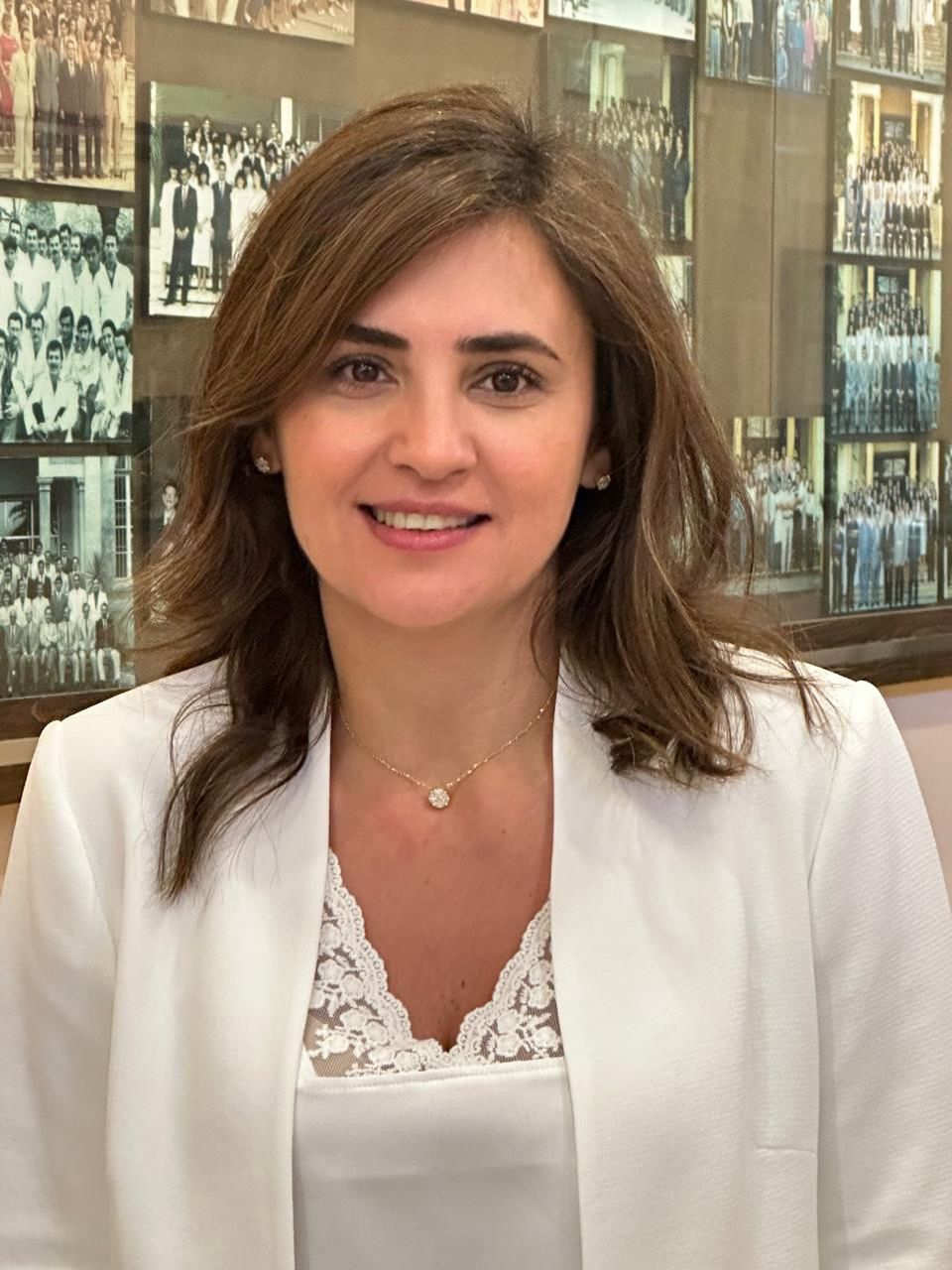 Roula El Hachem Wassef, DDS, MSc, PhD
What I have found most useful about the ECH Oral Communication course is the confidence I have gained.Roula El Hachem Wassef, DDS, MSc, PhD · Head of the Endodontics Department, Faculty of Dental Medicine, Saint Joseph University of Beirut
Samar Bou Jaoude, DDS, MSc, PhDI now notice mental translation and word stress more clearly in my own EMI teaching.Samar Bou Jaoude, DDS, MSc, PhD · Associate Professor, Department of Oral Medicine and Radiology, Faculty of Dental Medicine, Saint Joseph University of Beirut
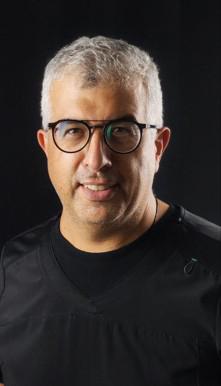 Karim Corbani, DCD, DESE, PhD
I would definitely recommend the ECH Oral Communication course to a colleague.Karim Corbani, DCD, DESE, PhD · Professor, Head of Restorative Dentistry Department, Faculty of Dental Medicine, Saint Joseph University of Beirut
We were able to improve our English in a very enjoyable and friendly atmosphere, which made the learning experience truly rewarding.Nada Farhat Mchayleh, DDS, MSc, PhD · Dean, Faculty of Dental Medicine, Saint Joseph University of Beirut
Ronald Younes, DDS, MSc, PhDThis ECH English course went far beyond teaching. It became a deeply human experience, filled with meaningful connections and genuine passion. It also reshaped some of our pedagogical approaches, giving us a better understanding of learning objectives and how to deliver courses more effectively.Ronald Younes, DDS, MSc, PhD · Full Professor, Head of Oral Surgery Department; Dean’s Delegate for International Affairs, Faculty of Dental Medicine, Saint Joseph University of Beirut
Samar Bou Jaoude, DDS, MSc, PhDWhat I have found most useful about the ECH Oral Communication course is Vygotsky’s Zone of Proximal Development.Samar Bou Jaoude, DDS, MSc, PhD · Associate Professor, Department of Oral Medicine and Radiology, Faculty of Dental Medicine, Saint Joseph University of Beirut
Joseph Bassil, DDS, PhDIn the ECH Oral Communication course, beyond improving our pronunciation and communication skills, we gained confidence and made remarkable progress. Learning has rarely been so enjoyable! I highly recommend this course to anyone looking to improve their English in an engaging and inspiring way.Joseph Bassil, DDS, PhD · Head of the Department of Oral Surgery and Pedagogical Delegate · Faculty of Dental Medicine · Saint Joseph University of Beirut (USJ)
Nicolas Nassar, Clinical InstructorWhat I have found most useful about this course is the strategies and pedagogical approaches.Nicolas Nassar · Clinical Instructor, Department of Orthodontics, Faculty of Dental Medicine, Saint Joseph University of Beirut
Roula El Hachem Wassef, DDS, MSc, PhDI would recommend the ECH Oral Communication course to a colleague because the content is excellent and very relevant to our work.Roula El Hachem Wassef, DDS, MSc, PhD · Head of the Endodontics Department, Faculty of Dental Medicine, Saint Joseph University of Beirut
The ECH English course was very interesting and engaging, and the instructor was exceptional. She knew how to keep us motivated and involved, despite the fact that we are experienced professionals of a certain age.Nada Farhat Mchayleh, DDS, MSc, PhD · Dean, Faculty of Dental Medicine, Saint Joseph University of Beirut
Samar Bou Jaoude, DDS, MSc, PhDVery interesting course! I used to freeze when speaking English, but now I actually feel more confident. Attending this course made English feel much easier and stress-free. Really grateful!Samar Bou Jaoude, DDS, MSc, PhD · Associate Professor, Department of Oral Medicine and Radiology, Faculty of Dental Medicine, Saint Joseph University of Beirut
Ronald Younes, DDS, MSc, PhDThis ECH English course went far beyond teaching. It became a deeply human experience, filled with meaningful connections and genuine passion. It also reshaped some of our pedagogical approaches, giving us a better understanding of learning objectives and how to deliver courses more effectively.Ronald Younes, DDS, MSc, PhD · Full Professor, Head of Oral Surgery Department; Dean’s Delegate for International Affairs, Faculty of Dental Medicine, Saint Joseph University of Beirut
Joseph Bassil, DDS, PhDThe ECH English course was a truly enriching experience, combining interactive learning, humor, and a wonderful atmosphere. It was fascinating to discover that some words we had been confidently pronouncing for years were actually pronounced quite differently!Joseph Bassil, DDS, PhD · Head of the Department of Oral Surgery and Pedagogical Delegate · Faculty of Dental Medicine · Saint Joseph University of Beirut (USJ)
Samar Bou Jaoude, DDS, MSc, PhDOne thing I will now pay more attention to when teaching in English is pronunciation.Samar Bou Jaoude, DDS, MSc, PhD · Associate Professor, Department of Oral Medicine and Radiology, Faculty of Dental Medicine, Saint Joseph University of Beirut
We were able to improve our English in a very enjoyable and friendly atmosphere, which made the learning experience truly rewarding.Nada Farhat Mchayleh, DDS, MSc, PhD · Dean, Faculty of Dental Medicine, Saint Joseph University of Beirut
Nicolas Nassar, Clinical InstructorAfter your course, I feel much more confident using English. I was recently in Brussels, delivering a lecture in French, when participants from the Flemish-speaking region asked me to switch to English. Without any preparation, and with my slides and notes entirely in French, I spoke in English for 45 minutes fluently, without hesitation. I felt confident, and I was very pleased with how I delivered the session. A big part of the credit goes to you. Thank you!Nicolas Nassar · Clinical Instructor, Department of Orthodontics, Faculty of Dental Medicine, Saint Joseph University of Beirut
Roula El Hachem Wassef, DDS, MSc, PhDWhat I have found most useful about the ECH Oral Communication course is the confidence I have gained.Roula El Hachem Wassef, DDS, MSc, PhD · Head of the Endodontics Department, Faculty of Dental Medicine, Saint Joseph University of Beirut
Samar Bou Jaoude, DDS, MSc, PhDI now notice mental translation and word stress more clearly in my own EMI teaching.Samar Bou Jaoude, DDS, MSc, PhD · Associate Professor, Department of Oral Medicine and Radiology, Faculty of Dental Medicine, Saint Joseph University of Beirut
Karim Corbani, DCD, DESE, PhDI would definitely recommend the ECH Oral Communication course to a colleague.Karim Corbani, DCD, DESE, PhD · Professor, Head of Restorative Dentistry Department, Faculty of Dental Medicine, Saint Joseph University of Beirut
Ronald Younes, DDS, MSc, PhDThis ECH English course went far beyond teaching. It became a deeply human experience, filled with meaningful connections and genuine passion. It also reshaped some of our pedagogical approaches, giving us a better understanding of learning objectives and how to deliver courses more effectively.Ronald Younes, DDS, MSc, PhD · Full Professor, Head of Oral Surgery Department; Dean’s Delegate for International Affairs, Faculty of Dental Medicine, Saint Joseph University of Beirut
Joseph Bassil, DDS, PhDIn the ECH Oral Communication course, beyond improving our pronunciation and communication skills, we gained confidence and made remarkable progress. Learning has rarely been so enjoyable! I highly recommend this course to anyone looking to improve their English in an engaging and inspiring way.Joseph Bassil, DDS, PhD · Head of the Department of Oral Surgery and Pedagogical Delegate · Faculty of Dental Medicine · Saint Joseph University of Beirut (USJ)
The ECH English course was very interesting and engaging, and the instructor was exceptional. She knew how to keep us motivated and involved, despite the fact that we are experienced professionals of a certain age.Nada Farhat Mchayleh, DDS, MSc, PhD · Dean, Faculty of Dental Medicine, Saint Joseph University of Beirut
Samar Bou Jaoude, DDS, MSc, PhDWhat I have found most useful about the ECH Oral Communication course is Vygotsky’s Zone of Proximal Development.Samar Bou Jaoude, DDS, MSc, PhD · Associate Professor, Department of Oral Medicine and Radiology, Faculty of Dental Medicine, Saint Joseph University of Beirut
Nicolas Nassar, Clinical InstructorWhat I have found most useful about this course is the strategies and pedagogical approaches.Nicolas Nassar · Clinical Instructor, Department of Orthodontics, Faculty of Dental Medicine, Saint Joseph University of Beirut
Roula El Hachem Wassef, DDS, MSc, PhDI would recommend the ECH Oral Communication course to a colleague because the content is excellent and very relevant to our work.Roula El Hachem Wassef, DDS, MSc, PhD · Head of the Endodontics Department, Faculty of Dental Medicine, Saint Joseph University of Beirut
We were able to improve our English in a very enjoyable and friendly atmosphere, which made the learning experience truly rewarding.Nada Farhat Mchayleh, DDS, MSc, PhD · Dean, Faculty of Dental Medicine, Saint Joseph University of Beirut
Samar Bou Jaoude, DDS, MSc, PhDVery interesting course! I used to freeze when speaking English, but now I actually feel more confident. Attending this course made English feel much easier and stress-free. Really grateful!Samar Bou Jaoude, DDS, MSc, PhD · Associate Professor, Department of Oral Medicine and Radiology, Faculty of Dental Medicine, Saint Joseph University of Beirut
Ronald Younes, DDS, MSc, PhDThis ECH English course went far beyond teaching. It became a deeply human experience, filled with meaningful connections and genuine passion. It also reshaped some of our pedagogical approaches, giving us a better understanding of learning objectives and how to deliver courses more effectively.Ronald Younes, DDS, MSc, PhD · Full Professor, Head of Oral Surgery Department; Dean’s Delegate for International Affairs, Faculty of Dental Medicine, Saint Joseph University of Beirut
Joseph Bassil, DDS, PhDThe ECH English course was a truly enriching experience, combining interactive learning, humor, and a wonderful atmosphere. It was fascinating to discover that some words we had been confidently pronouncing for years were actually pronounced quite differently!Joseph Bassil, DDS, PhD · Head of the Department of Oral Surgery and Pedagogical Delegate · Faculty of Dental Medicine · Saint Joseph University of Beirut (USJ)
Samar Bou Jaoude, DDS, MSc, PhDOne thing I will now pay more attention to when teaching in English is pronunciation.Samar Bou Jaoude, DDS, MSc, PhD · Associate Professor, Department of Oral Medicine and Radiology, Faculty of Dental Medicine, Saint Joseph University of Beirut
The ECH English course was very interesting and engaging, and the instructor was exceptional. She knew how to keep us motivated and involved, despite the fact that we are experienced professionals of a certain age.Nada Farhat Mchayleh, DDS, MSc, PhD · Dean, Faculty of Dental Medicine, Saint Joseph University of Beirut
Nicolas Nassar, Clinical InstructorAfter your course, I feel much more confident using English. I was recently in Brussels, delivering a lecture in French, when participants from the Flemish-speaking region asked me to switch to English. Without any preparation, and with my slides and notes entirely in French, I spoke in English for 45 minutes fluently, without hesitation. I felt confident, and I was very pleased with how I delivered the session. A big part of the credit goes to you. Thank you!Nicolas Nassar · Clinical Instructor, Department of Orthodontics, Faculty of Dental Medicine, Saint Joseph University of Beirut
Roula El Hachem Wassef, DDS, MSc, PhDWhat I have found most useful about the ECH Oral Communication course is the confidence I have gained.Roula El Hachem Wassef, DDS, MSc, PhD · Head of the Endodontics Department, Faculty of Dental Medicine, Saint Joseph University of Beirut
Ronald Younes, DDS, MSc, PhDThis ECH English course went far beyond teaching. It became a deeply human experience, filled with meaningful connections and genuine passion. It also reshaped some of our pedagogical approaches, giving us a better understanding of learning objectives and how to deliver courses more effectively.Ronald Younes, DDS, MSc, PhD · Full Professor, Head of Oral Surgery Department; Dean’s Delegate for International Affairs, Faculty of Dental Medicine, Saint Joseph University of Beirut
Joseph Bassil, DDS, PhDIn the ECH Oral Communication course, beyond improving our pronunciation and communication skills, we gained confidence and made remarkable progress. Learning has rarely been so enjoyable! I highly recommend this course to anyone looking to improve their English in an engaging and inspiring way.Joseph Bassil, DDS, PhD · Head of the Department of Oral Surgery and Pedagogical Delegate · Faculty of Dental Medicine · Saint Joseph University of Beirut (USJ)
Samar Bou Jaoude, DDS, MSc, PhDI now notice mental translation and word stress more clearly in my own EMI teaching.Samar Bou Jaoude, DDS, MSc, PhD · Associate Professor, Department of Oral Medicine and Radiology, Faculty of Dental Medicine, Saint Joseph University of Beirut
We were able to improve our English in a very enjoyable and friendly atmosphere, which made the learning experience truly rewarding.Nada Farhat Mchayleh, DDS, MSc, PhD · Dean, Faculty of Dental Medicine, Saint Joseph University of Beirut
Karim Corbani, DCD, DESE, PhDI would definitely recommend the ECH Oral Communication course to a colleague.Karim Corbani, DCD, DESE, PhD · Professor, Head of Restorative Dentistry Department, Faculty of Dental Medicine, Saint Joseph University of Beirut
Samar Bou Jaoude, DDS, MSc, PhDWhat I have found most useful about the ECH Oral Communication course is Vygotsky’s Zone of Proximal Development.Samar Bou Jaoude, DDS, MSc, PhD · Associate Professor, Department of Oral Medicine and Radiology, Faculty of Dental Medicine, Saint Joseph University of Beirut
Ronald Younes, DDS, MSc, PhDThis ECH English course went far beyond teaching. It became a deeply human experience, filled with meaningful connections and genuine passion. It also reshaped some of our pedagogical approaches, giving us a better understanding of learning objectives and how to deliver courses more effectively.Ronald Younes, DDS, MSc, PhD · Full Professor, Head of Oral Surgery Department; Dean’s Delegate for International Affairs, Faculty of Dental Medicine, Saint Joseph University of Beirut
Joseph Bassil, DDS, PhDThe ECH English course was a truly enriching experience, combining interactive learning, humor, and a wonderful atmosphere. It was fascinating to discover that some words we had been confidently pronouncing for years were actually pronounced quite differently!Joseph Bassil, DDS, PhD · Head of the Department of Oral Surgery and Pedagogical Delegate · Faculty of Dental Medicine · Saint Joseph University of Beirut (USJ)
Nicolas Nassar, Clinical InstructorWhat I have found most useful about this course is the strategies and pedagogical approaches.Nicolas Nassar · Clinical Instructor, Department of Orthodontics, Faculty of Dental Medicine, Saint Joseph University of Beirut
Roula El Hachem Wassef, DDS, MSc, PhDI would recommend the ECH Oral Communication course to a colleague because the content is excellent and very relevant to our work.Roula El Hachem Wassef, DDS, MSc, PhD · Head of the Endodontics Department, Faculty of Dental Medicine, Saint Joseph University of Beirut
The ECH English course was very interesting and engaging, and the instructor was exceptional. She knew how to keep us motivated and involved, despite the fact that we are experienced professionals of a certain age.Nada Farhat Mchayleh, DDS, MSc, PhD · Dean, Faculty of Dental Medicine, Saint Joseph University of Beirut
Samar Bou Jaoude, DDS, MSc, PhDVery interesting course! I used to freeze when speaking English, but now I actually feel more confident. Attending this course made English feel much easier and stress-free. Really grateful!Samar Bou Jaoude, DDS, MSc, PhD · Associate Professor, Department of Oral Medicine and Radiology, Faculty of Dental Medicine, Saint Joseph University of Beirut
Ronald Younes, DDS, MSc, PhDThis ECH English course went far beyond teaching. It became a deeply human experience, filled with meaningful connections and genuine passion. It also reshaped some of our pedagogical approaches, giving us a better understanding of learning objectives and how to deliver courses more effectively.Ronald Younes, DDS, MSc, PhD · Full Professor, Head of Oral Surgery Department; Dean’s Delegate for International Affairs, Faculty of Dental Medicine, Saint Joseph University of Beirut
Joseph Bassil, DDS, PhDIn the ECH Oral Communication course, beyond improving our pronunciation and communication skills, we gained confidence and made remarkable progress. Learning has rarely been so enjoyable! I highly recommend this course to anyone looking to improve their English in an engaging and inspiring way.Joseph Bassil, DDS, PhD · Head of the Department of Oral Surgery and Pedagogical Delegate · Faculty of Dental Medicine · Saint Joseph University of Beirut (USJ)
Samar Bou Jaoude, DDS, MSc, PhDOne thing I will now pay more attention to when teaching in English is pronunciation.Samar Bou Jaoude, DDS, MSc, PhD · Associate Professor, Department of Oral Medicine and Radiology, Faculty of Dental Medicine, Saint Joseph University of Beirut
We were able to improve our English in a very enjoyable and friendly atmosphere, which made the learning experience truly rewarding.Nada Farhat Mchayleh, DDS, MSc, PhD · Dean, Faculty of Dental Medicine, Saint Joseph University of Beirut
Nicolas Nassar, Clinical InstructorAfter your course, I feel much more confident using English. I was recently in Brussels, delivering a lecture in French, when participants from the Flemish-speaking region asked me to switch to English. Without any preparation, and with my slides and notes entirely in French, I spoke in English for 45 minutes fluently, without hesitation. I felt confident, and I was very pleased with how I delivered the session. A big part of the credit goes to you. Thank you!Nicolas Nassar · Clinical Instructor, Department of Orthodontics, Faculty of Dental Medicine, Saint Joseph University of Beirut
Roula El Hachem Wassef, DDS, MSc, PhDWhat I have found most useful about the ECH Oral Communication course is the confidence I have gained.Roula El Hachem Wassef, DDS, MSc, PhD · Head of the Endodontics Department, Faculty of Dental Medicine, Saint Joseph University of Beirut
Samar Bou Jaoude, DDS, MSc, PhDI now notice mental translation and word stress more clearly in my own EMI teaching.Samar Bou Jaoude, DDS, MSc, PhD · Associate Professor, Department of Oral Medicine and Radiology, Faculty of Dental Medicine, Saint Joseph University of Beirut
Karim Corbani, DCD, DESE, PhDI would definitely recommend the ECH Oral Communication course to a colleague.Karim Corbani, DCD, DESE, PhD · Professor, Head of Restorative Dentistry Department, Faculty of Dental Medicine, Saint Joseph University of Beirut
The ECH English course was very interesting and engaging, and the instructor was exceptional. She knew how to keep us motivated and involved, despite the fact that we are experienced professionals of a certain age.Nada Farhat Mchayleh, DDS, MSc, PhD · Dean, Faculty of Dental Medicine, Saint Joseph University of Beirut
Ronald Younes, DDS, MSc, PhDThis ECH English course went far beyond teaching. It became a deeply human experience, filled with meaningful connections and genuine passion. It also reshaped some of our pedagogical approaches, giving us a better understanding of learning objectives and how to deliver courses more effectively.Ronald Younes, DDS, MSc, PhD · Full Professor, Head of Oral Surgery Department; Dean’s Delegate for International Affairs, Faculty of Dental Medicine, Saint Joseph University of Beirut
Joseph Bassil, DDS, PhDThe ECH English course was a truly enriching experience, combining interactive learning, humor, and a wonderful atmosphere. It was fascinating to discover that some words we had been confidently pronouncing for years were actually pronounced quite differently!Joseph Bassil, DDS, PhD · Head of the Department of Oral Surgery and Pedagogical Delegate · Faculty of Dental Medicine · Saint Joseph University of Beirut (USJ)
Samar Bou Jaoude, DDS, MSc, PhDWhat I have found most useful about the ECH Oral Communication course is Vygotsky’s Zone of Proximal Development.Samar Bou Jaoude, DDS, MSc, PhD · Associate Professor, Department of Oral Medicine and Radiology, Faculty of Dental Medicine, Saint Joseph University of Beirut
Nicolas Nassar, Clinical InstructorWhat I have found most useful about this course is the strategies and pedagogical approaches.Nicolas Nassar · Clinical Instructor, Department of Orthodontics, Faculty of Dental Medicine, Saint Joseph University of Beirut
Roula El Hachem Wassef, DDS, MSc, PhDI would recommend the ECH Oral Communication course to a colleague because the content is excellent and very relevant to our work.Roula El Hachem Wassef, DDS, MSc, PhD · Head of the Endodontics Department, Faculty of Dental Medicine, Saint Joseph University of Beirut
We were able to improve our English in a very enjoyable and friendly atmosphere, which made the learning experience truly rewarding.Nada Farhat Mchayleh, DDS, MSc, PhD · Dean, Faculty of Dental Medicine, Saint Joseph University of Beirut
Samar Bou Jaoude, DDS, MSc, PhDVery interesting course! I used to freeze when speaking English, but now I actually feel more confident. Attending this course made English feel much easier and stress-free. Really grateful!Samar Bou Jaoude, DDS, MSc, PhD · Associate Professor, Department of Oral Medicine and Radiology, Faculty of Dental Medicine, Saint Joseph University of Beirut
Ronald Younes, DDS, MSc, PhDThis ECH English course went far beyond teaching. It became a deeply human experience, filled with meaningful connections and genuine passion. It also reshaped some of our pedagogical approaches, giving us a better understanding of learning objectives and how to deliver courses more effectively.Ronald Younes, DDS, MSc, PhD · Full Professor, Head of Oral Surgery Department; Dean’s Delegate for International Affairs, Faculty of Dental Medicine, Saint Joseph University of Beirut
Joseph Bassil, DDS, PhDIn the ECH Oral Communication course, beyond improving our pronunciation and communication skills, we gained confidence and made remarkable progress. Learning has rarely been so enjoyable! I highly recommend this course to anyone looking to improve their English in an engaging and inspiring way.Joseph Bassil, DDS, PhD · Head of the Department of Oral Surgery and Pedagogical Delegate · Faculty of Dental Medicine · Saint Joseph University of Beirut (USJ)
Samar Bou Jaoude, DDS, MSc, PhDOne thing I will now pay more attention to when teaching in English is pronunciation.Samar Bou Jaoude, DDS, MSc, PhD · Associate Professor, Department of Oral Medicine and Radiology, Faculty of Dental Medicine, Saint Joseph University of Beirut
The ECH English course was very interesting and engaging, and the instructor was exceptional. She knew how to keep us motivated and involved, despite the fact that we are experienced professionals of a certain age.Nada Farhat Mchayleh, DDS, MSc, PhD · Dean, Faculty of Dental Medicine, Saint Joseph University of Beirut
Nicolas Nassar, Clinical InstructorAfter your course, I feel much more confident using English. I was recently in Brussels, delivering a lecture in French, when participants from the Flemish-speaking region asked me to switch to English. Without any preparation, and with my slides and notes entirely in French, I spoke in English for 45 minutes fluently, without hesitation. I felt confident, and I was very pleased with how I delivered the session. A big part of the credit goes to you. Thank you!Nicolas Nassar · Clinical Instructor, Department of Orthodontics, Faculty of Dental Medicine, Saint Joseph University of Beirut
Roula El Hachem Wassef, DDS, MSc, PhDWhat I have found most useful about the ECH Oral Communication course is the confidence I have gained.Roula El Hachem Wassef, DDS, MSc, PhD · Head of the Endodontics Department, Faculty of Dental Medicine, Saint Joseph University of Beirut
Ronald Younes, DDS, MSc, PhDThis ECH English course went far beyond teaching. It became a deeply human experience, filled with meaningful connections and genuine passion. It also reshaped some of our pedagogical approaches, giving us a better understanding of learning objectives and how to deliver courses more effectively.Ronald Younes, DDS, MSc, PhD · Full Professor, Head of Oral Surgery Department; Dean’s Delegate for International Affairs, Faculty of Dental Medicine, Saint Joseph University of Beirut
Samar Bou Jaoude, DDS, MSc, PhDI now notice mental translation and word stress more clearly in my own EMI teaching.Samar Bou Jaoude, DDS, MSc, PhD · Associate Professor, Department of Oral Medicine and Radiology, Faculty of Dental Medicine, Saint Joseph University of Beirut
Joseph Bassil, DDS, PhDThe ECH English course was a truly enriching experience, combining interactive learning, humor, and a wonderful atmosphere. It was fascinating to discover that some words we had been confidently pronouncing for years were actually pronounced quite differently!Joseph Bassil, DDS, PhD · Head of the Department of Oral Surgery and Pedagogical Delegate · Faculty of Dental Medicine · Saint Joseph University of Beirut (USJ)
We were able to improve our English in a very enjoyable and friendly atmosphere, which made the learning experience truly rewarding.Nada Farhat Mchayleh, DDS, MSc, PhD · Dean, Faculty of Dental Medicine, Saint Joseph University of Beirut
Karim Corbani, DCD, DESE, PhDI would definitely recommend the ECH Oral Communication course to a colleague.Karim Corbani, DCD, DESE, PhD · Professor, Head of Restorative Dentistry Department, Faculty of Dental Medicine, Saint Joseph University of Beirut
Samar Bou Jaoude, DDS, MSc, PhDWhat I have found most useful about the ECH Oral Communication course is Vygotsky’s Zone of Proximal Development.Samar Bou Jaoude, DDS, MSc, PhD · Associate Professor, Department of Oral Medicine and Radiology, Faculty of Dental Medicine, Saint Joseph University of Beirut
Nicolas Nassar, Clinical InstructorWhat I have found most useful about this course is the strategies and pedagogical approaches.Nicolas Nassar · Clinical Instructor, Department of Orthodontics, Faculty of Dental Medicine, Saint Joseph University of Beirut
Roula El Hachem Wassef, DDS, MSc, PhDI would recommend the ECH Oral Communication course to a colleague because the content is excellent and very relevant to our work.Roula El Hachem Wassef, DDS, MSc, PhD · Head of the Endodontics Department, Faculty of Dental Medicine, Saint Joseph University of Beirut
Ronald Younes, DDS, MSc, PhDThis ECH English course went far beyond teaching. It became a deeply human experience, filled with meaningful connections and genuine passion. It also reshaped some of our pedagogical approaches, giving us a better understanding of learning objectives and how to deliver courses more effectively.Ronald Younes, DDS, MSc, PhD · Full Professor, Head of Oral Surgery Department; Dean’s Delegate for International Affairs, Faculty of Dental Medicine, Saint Joseph University of Beirut
Joseph Bassil, DDS, PhDIn the ECH Oral Communication course, beyond improving our pronunciation and communication skills, we gained confidence and made remarkable progress. Learning has rarely been so enjoyable! I highly recommend this course to anyone looking to improve their English in an engaging and inspiring way.Joseph Bassil, DDS, PhD · Head of the Department of Oral Surgery and Pedagogical Delegate · Faculty of Dental Medicine · Saint Joseph University of Beirut (USJ)
The ECH English course was very interesting and engaging, and the instructor was exceptional. She knew how to keep us motivated and involved, despite the fact that we are experienced professionals of a certain age.Nada Farhat Mchayleh, DDS, MSc, PhD · Dean, Faculty of Dental Medicine, Saint Joseph University of Beirut
Samar Bou Jaoude, DDS, MSc, PhDVery interesting course! I used to freeze when speaking English, but now I actually feel more confident. Attending this course made English feel much easier and stress-free. Really grateful!Samar Bou Jaoude, DDS, MSc, PhD · Associate Professor, Department of Oral Medicine and Radiology, Faculty of Dental Medicine, Saint Joseph University of Beirut
For faculty development, editorial services, professional coaching, or customized institutional initiatives, contact ECH.
English Communication Hub (ECH)
Faculty of Languages and Translation
Saint Joseph University of Beirut
Humanities Campus, Damascus Road
Beirut, Lebanon
+961-1-421000 ext. 5512–5513
ech.fdlt@usj.edu.lb
usj.edu.lb/fdlt/ech